

One happy investor combines financial performance and personal serenity in his investment approach. Unlike investors stressed by market volatility, it takes a balanced approach that favours peace of mind without sacrificing profitability. This investment philosophy is based on proven strategies and disciplined habits that build a solid heritage while maintaining its psychological well-being.
What is a happy investor?
Lhappy investor is characterized by its ability to reconcile three essential elements: the profitability of its investments, the serenity in its management and the pleasure it takes to invest. This approach is radically different from that of the investor obsessed with short-term gains or paralyzed by fear of losses.
The typical profile of the happy investor presents a controlled emotional management. It does not panic during market corrections and does not succumb to euphoria during the bull phases. His long-term vision allows him to go through business cycles with confidence, while his smart diversification strategy limits the risks of his portfolio.
This investment philosophy is based on a clear understanding that financial markets are by nature volatile but offer substantial growth opportunities over the long term. The happy investor accepts this reality and adapts its strategies accordingly.
The 5 key habits of the happy investor
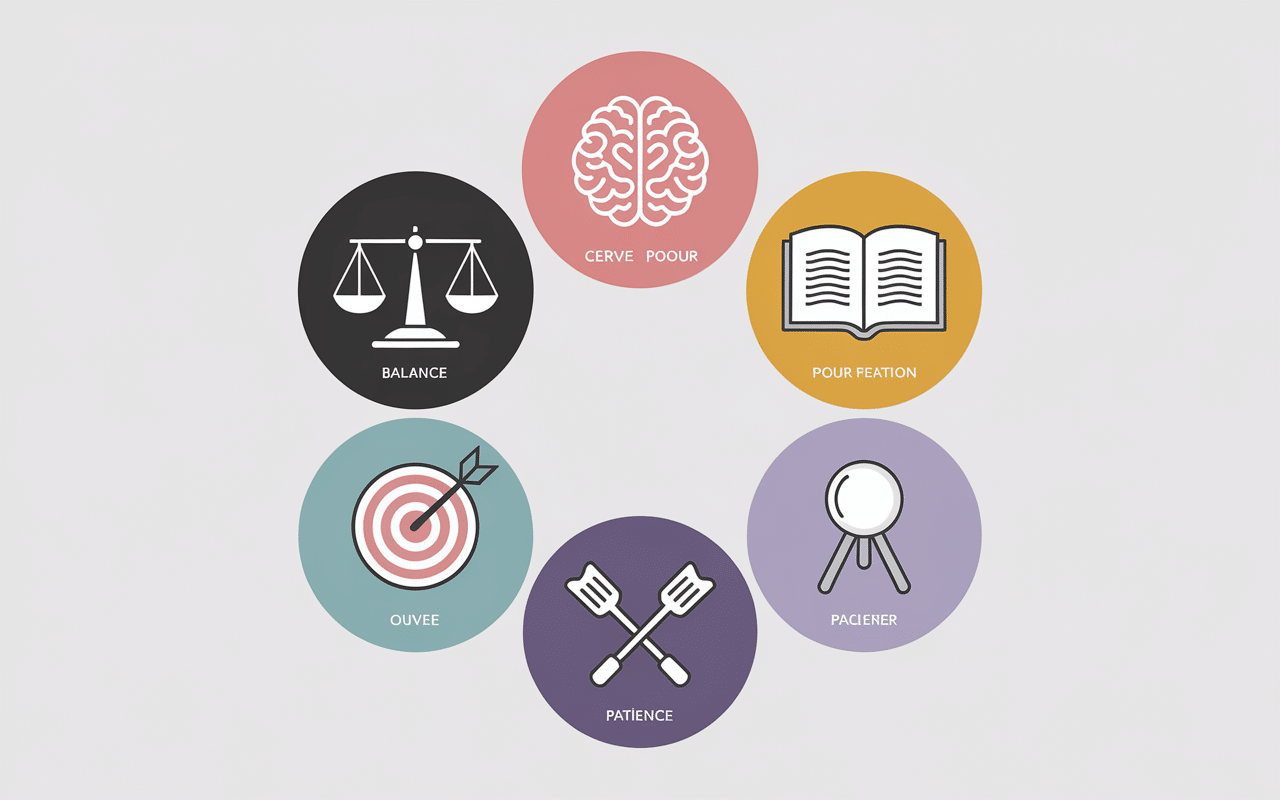
Five basic habits distinguishhappy investor and contribute to its financial and personal success.
1. Balanced Portfolio Diversification: The happy investor divides its assets between different investment classes. For example, a typical portfolio could include 60% geographically diversified shares, 25% bonds, 10% real estate and 5% raw materials. This distribution limits the impact of poor performance in a specific sector.
2. Emotion Management and Discipline: He applies strict rules and keeps it even in difficult times. When markets fall by 20%, it avoids selling in panic and can even take advantage of these decreases to strengthen its positions on assets that have become attractive.
3. Continuing training and economic monitoring: The happy investor regularly devotes time to training. It reads reference books, monitors economic developments and analyses market trends to refine its investment strategies.
4. Clear and realistic financial objectives: It defines specific objectives as « in 15 years » Rather than aiming at unrealistic returns. These objectives guide its investment decisions and enable it to measure its progress.
5. Patience and long-term vision: The happy investor plans for 10, 20 or 30 years. He understands that wealth creation is a marathon, not a sprint, and remains true to his strategy despite temporary fluctuations.
Investment strategies to become a happy investor
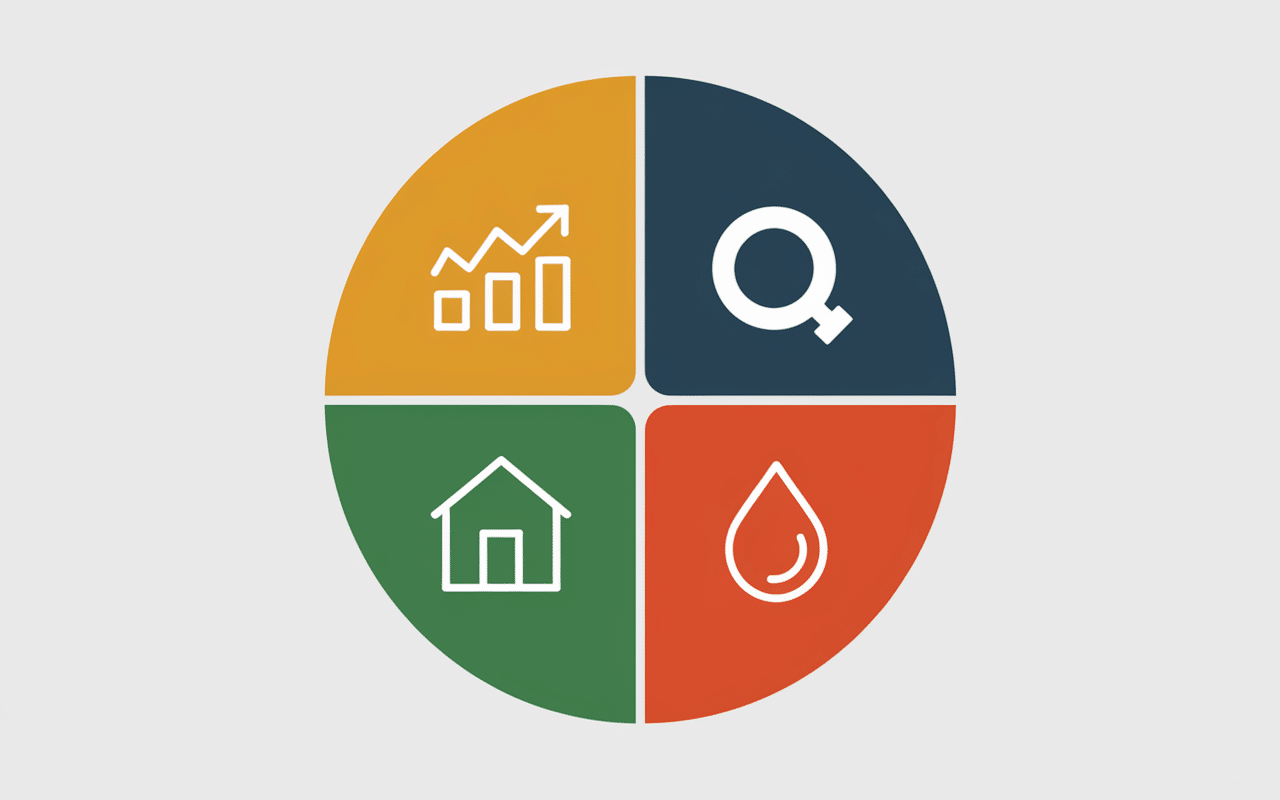
Strategies happy investor prefer the balance between efficiency and peace of mind. Asset allocation is the cornerstone of this approach, with an optimal distribution between shares (growth), bonds (stability), real estate (inflation protection) and liquidity (opportunities).
The dollar cost averaging represents a valuable tool for smoothing purchase prices. By investing a fixed amount each month on an ETF World, for example 500 euros, the investor automatically buys more shares when prices are low and less when they are high, thus optimising its average purchase price.
Periodic re-evaluation of the portfolio usually takes place every six months or once a year. This practice allows the target allocation to be maintained by selling the assets that have outperformed and strengthening those that have underperformed, thus automatically applying the principle « sell high, buy low ».
To maximize your chances of success while avoiding common pitfalls, discover 6 crucial mistakes to avoid in order to succeed in your investments and build a calm investment strategy.
Adopt a thoughtful and sustainable strategy, as explained in this practical guide to building your financial independence, is an essential key to becoming a happy and serene investor.
To take a calm and efficient approach, discover our advice on personal finance: how to invest 100,000€ successfully.
Risk management is central to these strategies. The happy investor uses tools such as stop-losses to limit significant losses and regularly monitors its performance through portfolio tracking applications. It still maintains a cash reserve of 3 to 6 months of current expenses to deal with unforeseen events without compromising its investments.
Happy Investor Community: Benefits and Functioning
The Happy Investors (Becoming a Renter): Community and Advice, created in 2010, illustrates the importance of sharing experiences among heritage management enthusiasts. This community brings together investors who share the same balanced and caring investment philosophy.
The benefits of mutual assistance between members are multiple. Beginners benefit from the experience of experienced investors, while they enrich their thinking with relevant questions from newcomers. This dynamic creates a particularly rewarding mutual learning environment.
Exchanges within the community cover a variety of topics: portfolio analyses, sharing of investment opportunities, discussions on optimal tax strategies, and feedback on different investment media. Regular physical meetings create lasting links between members.
Membership in such a communityhappy investors brings considerable added value. It offers psychological support during periods of volatility, allowing us to maintain our long-term strategy through the wise encouragement and advice of other members. This human dimension often transforms a solitary approach into a shared and enriching journey.
Towards a successful investment approach
Become a happy investor requires a transformation of its relationship to money and financial markets. This balanced approach, which combines performance and serenity, gradually acquires through the adoption of disciplined habits, the application of proven strategies and the constant enrichment of its knowledge. Accompaniment to a caring community accelerates this process by providing support, advice and motivation. The investment then becomes an enriching journey to financial independence, lived with pleasure rather than as a source of daily stress.