
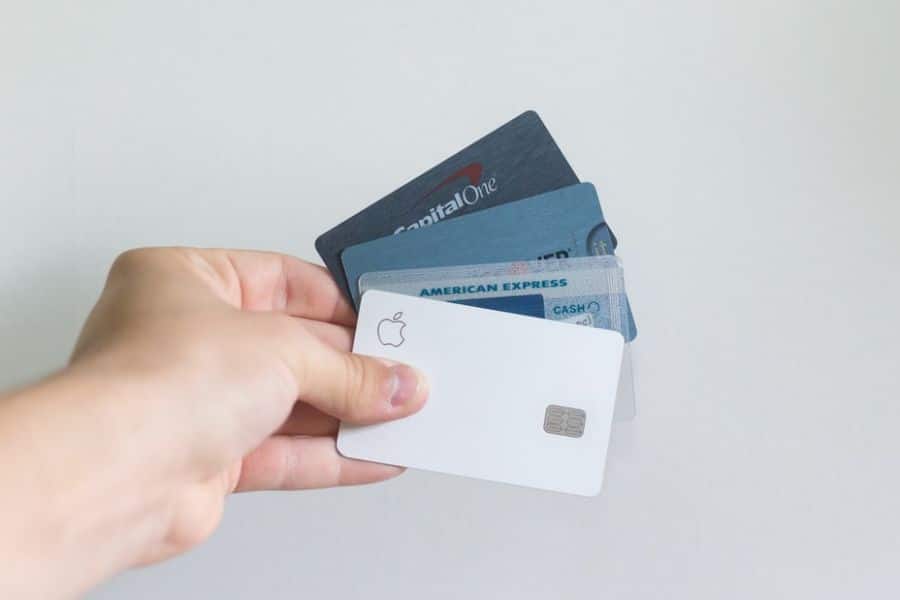

Credit cards and debit cards generally look almost the same, with 16-digit card numbers, expiry dates, magnetic tapes and EMV1 chips. Both make it possible to make purchases in store or online in a simple and convenient way, with one difference. Debit cards allow you to spend money from the funds you have deposited in the bank. Credit cards allow you to borrow money from the card issuer up to a certain limit in order to buy items or withdraw money.
You probably have at least one credit card and a debit card in your wallet. The convenience and protection they offer are difficult to beat, but they have significant differences that can have a significant impact on your portfolio. Here's how to decide which one to use to meet your spending needs.
Key points
- Credit cards give you access to a credit line issued by a bank, while debit cards deduct money directly from your bank account.
- Credit cards offer consumers a better protection against fraud debit cards linked to a bank account.
- More recent debit cards offer protection closer to a credit card, while many credit cards no longer charge annual fees.
- When comparing credit cards with debit cards linked to a bank account, it is important to consider fees and benefits.
What is a credit card?
A credit card is a card issued by a financial institution, usually a bank, that allows the cardholder to borrow funds from that institution. The cardholder agrees to repay the money with interest, according to the conditions of the institution. Credit cards are issued in the following categories:1
- Standard cards simply offer a line of credit to their users to make purchases, transfers of balance and/or advances of funds and are often without annual fees.
- Premium cards offer advantages such as concierge services, access to an airport lounge, access to special events, and more, but they generally have higher annual fees.
- The rewards cards offer cash discounts, travel points or other benefits to clients based on their expenses.
- Balance transfer cards offer low launch interest rates and charges for balance transfers from another credit card.
- Secured credit cards require an initial cash deposit that is held by the issuer as security.
- Payment cards do not have a pre-established expenditure limit, but often do not allow the carry-over of unpaid balances from month to month.
Credit card users can get money, discounts, travel points and many other benefits that are not available to debit card holders using rewards cards. Rewards can be applied on a lump sum basis or in increments. For example, you can have a card that offers an unlimited number of two miles per dollar on purchases and another that offers three miles per dollar for travel expenses, two miles per dollar for meals and one mile per dollar for everything else. You could then use the miles earned to book your future trips.
When choosing rewards cards, be careful that rewards can expire and the options you have to exchange them.
Benefits of using credit cards
Credit cards may offer some advantages over debit cards, but they may also have some disadvantages. Here is an overview of the advantages and disadvantages of using credit cards.
Establishing a credit history
Credit card usage is reflected in your credit file. This includes positive background, such as timely payments and low credit utilization ratios, as well as negative elements such as late payments or arrears. The information in your credit file is then used to calculate your credit scores. People who spend responsibly can improve their score by having a history of spending and one-time payments and keeping their card balance low in relation to their credit limit1.
Many credit card companies offer free tracking of your credit score, allowing you to keep an eye on your credit progress.
Guarantee and purchase protections
Some credit cards may also offer additional guarantees or insurance on purchased items, which go beyond those offered by the retailer or brand. If an item purchased with a credit card becomes defective after the expiry of the manufacturer's warranty, for example, it is useful to check with the credit card company whether it offers coverage. You can also benefit from integrated purchasing and pricing protection to help you replace stolen or lost items, or refund price differences when the item you bought is sold cheaper elsewhere2.
Protection against fraud
In most cases, credit cards offer much greater protection than debit cards. As long as the customer reports loss or theft in a timely manner, the maximum liability for purchases made after the card has disappeared is 50 $. The Electronic Fund Transfer Act provides customers with the same protection against loss or theft, but only if the client reports it within 48 hours of discovery. After 48 hours, the responsibility of the card user increases to 500 $ After 60 days, there is no more limit3.
Other credit card benefits
The Fair Credit Billing Act allows credit card users to challenge unauthorized purchases or purchases of goods damaged or lost during shipment.4 If the item has been purchased with a debit card, the debit can only be cancelled if the merchant is willing to do so. In addition, victims of debit card theft do not get their refund until the end of the investigation5.
The credit card holder, on the other hand, is not liable for the disputed charges; the amount is generally deducted immediately and is returned only if the dispute is withdrawn or settled in favour of the merchant. While some credit and debit card providers offer zero liability protection to their customers, the law is much more lenient for credit card holders.
If you have to rent a car, many credit cards provide for some kind of collision exemption.6 Even if you want to use a debit card, many car rental agencies ask customers to provide credit card information as a backup. The only way out for a customer can be to allow the rental agency to put a few hundred dollars on a bank account debit card as a form of security deposit.
Disadvantages of using credit cards
The main drawbacks of the use of credit cards are debt, the impact on credit rating and cost.
Expenditure can lead to debt
When you make purchases with a credit card, you spend money from the bank, not yours. This money must be repaid, with interest. At a minimum, you are required to make the minimum payment due each month. If you accumulate high balances on multiple cards, you may find it difficult to keep up with monthly payments and cut your budget.
Impact on credit score
Paying your bills on time and keeping your credit card balance low can improve your FICO score. However, the misuse of credit cards may affect your credit history if you are in the habit of paying late, exhausting one or more of your cards, closing old accounts or too often claiming a new credit.
Set up credit card alerts to inform you of the due dates of payments and card balances, so that you can pay on time and avoid exceeding your credit limit.
Interest and expenses
Since a credit card is essentially a short-term loan, you will have to repay what you spend with interest. The interest rate and fees charged by the credit company are used to calculate your annual percentage rate (TAEG). The higher the TAEG of the card, the more it will cost you to maintain a monthly balance.
You need to know whether your card imposes annual fees, foreign transaction fees, balance transfer fees, advance payment fees, late payment fees or return payment fees. As a rule, the more good a credit card rewards program is and the more benefits it offers, the higher the annual fee.
What is a debit card?
A debit card is a payment card that allows payments to be made by deducting money directly from the consumer's current account, rather than lending it to a bank. Debit cards offer the convenience of credit cards and many of the same protections for consumers when issued by major payment processors such as Visa or Mastercard7.
There are two types of debit cards that do not require the customer to have a cheque or savings account, as well as a standard type.
- Standard debit cards are taken from your bank account.
- Electronic benefit transfer cards (EBTs) are issued by federal and state agencies to allow eligible users to use their benefits to make purchases.8
- Prepaid debit cards allow people without access to a bank account to make electronic purchases up to the amount preloaded on the card.
Cost-efficient consumers may prefer to use debit cards, as there is usually little or no associated fee, unless users spend more than they have on their account and incur costs. Overdraft expenses. (The advantage of the absence of fees does not apply to prepaid debit cards, which frequently charge activation and usage fees, among others). On the other hand, credit cards generally charge annual fees, limit-exceeding charges, late payment charges and a plethora of other penalties, in addition to monthly interest on the card balance.
Operation of debit cards
Benefits of using debit cards
Debit cards can have advantages and disadvantages, as can credit cards.
Avoid debt
A debit card draws on the money that the user already has, which eliminates the risk of debt. Retailers know that people usually spend more when using plastic than they pay in cash.9 By using debit cards, impulsive spenders can avoid the temptation of credit and respect their budget. This can help you avoid high interest-rate debt.
Protection against fraud
In addition, some debit cards – especially those issued by payment processors such as Visa or Mastercard – are beginning to offer more protections than credit card users.
The essential thing is to report fraud or theft as soon as you realize it. Your liability for fraudulent purchase is determined by the period within which it was reported. If you wait too long to let the bank know that your card has been used for unauthorized purchases, you may lose your money.
No annual fee
Although many credit cards charge annual fees, debit cards do not. There are also no charges to withdraw money with your debit card at your bank's ATM. Credit cards, on the other hand, can charge a cash advance fee and a high interest rate for this convenience. However, you can pay other fees to maintain your current account.
Advances of funds on a credit card are not granted a grace period; on the contrary, interest begins to run immediately.
Disadvantages of using debit cards
As with credit cards, the main drawbacks of using debit cards are the impact on credit score and cost.
No rewards
Unless you don't have a rewards check account, you will not earn points, miles or cash discounts on purchases made with your debit card. As rewards can save you money, depending on how you use them, you may miss something if you only spend with a debit card.
It does not allow you to increase your credit
To establish a good credit, you have to show lenders that you can repay the money you borrow responsibly. When you spend with a debit card linked to your bank account, you do not have the opportunity to do so, so using a debit card alone will not help you establish or build a credit history.
Costs
Although debit cards do not have an annual fee, you can pay other fees to have a current account. This may include monthly maintenance fees, overdraft fees if you spend too much on your account, return fees for items and foreign ATM fees if you use your debit card in another bank or financial institution's counter.