
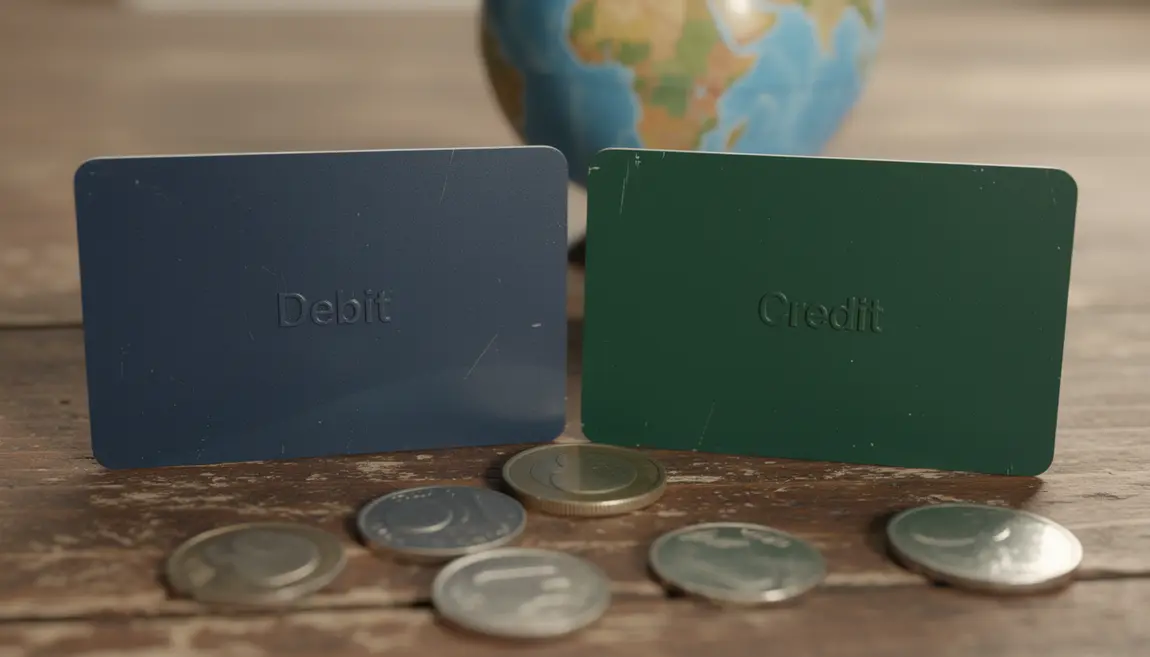

Do you hesitate between debit and credit card? Most active adults are looking for the most suitable banking solution for their payment habits, especially to avoid hidden costs and better control their daily or travel expenses. This article puts their real features, costs and benefits in perspective, with concrete examples to inform your choice according to your profile and expectations.
Differentiating a debit card from a credit card
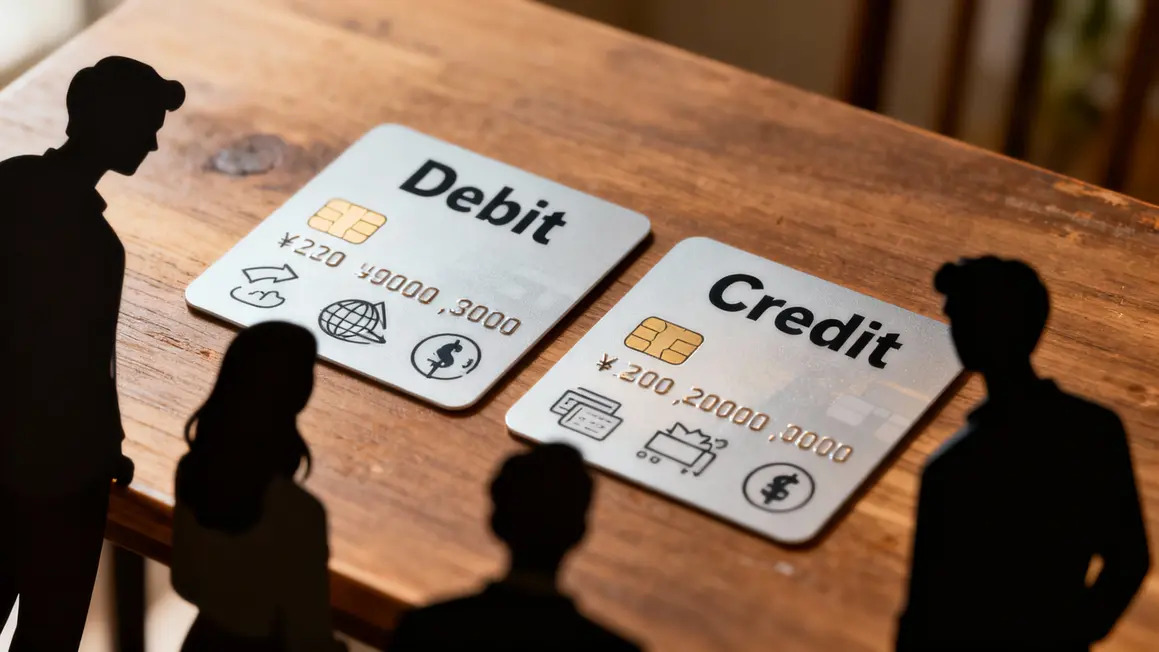
Debit card or credit card, distinction is made on the source of funds and the management of payment. Debit card collects immediately from bank account, which limits spending to available money. The debit may, depending on the offer, be immediate or delayed (total amount debited at a fixed date). The credit card operates on a reserve of money made available by the institution; the cumulative amount is to be repaid at one time (without interest) or through a splitting (with interest, often high).
The mention "Debit" or "Credit" is now mandatory on the front of the card for quick identification, especially when payments are made in France or abroad. Credit cards are frequently associated with premium services (travel insurance, assistance, purchase guarantees), while debit cards promote budget control and the absence of debt risk.
For example, when paying in a supermarket with a debit card, the transaction impacts the balance in real time. With a credit card, the purchase may exceed the balance available; However, the flexibility offered requires monitoring of repayments on pain of additional costs.
Prior to any decision, careful verification of the terms and conditions (e.g. user fees, payment thresholds/deductions, options abroad) remains an essential step to avoid bad surprises.
The types of maps available and their specificities
Bank cards are divided between debit and credit cards with family-specific subcategories. The choice depends on the desired management and the services sought.
Specificities of debit cards
- Immediate flow : each purchase instantly debits the account. Recommended for those who want to keep their hands on their budget.
- Deferred debit : expenditure is consolidated and deducted on a fixed date. Flexibility appreciated, but vigilance on the allowed ceiling and balance at the settlement date.
These cards are common, both in traditional banks and online. Fees are generally low or zero for basic formulas.
Credit card variants
- Single refund card : can be used without generating interest, if the balance is repaid on maturity. Useful for important one-time purchases.
- Rotating card : grants a revolving credit with split repayments, but pay attention to the high cost of the TAEG.
Premium versions include additional insurance and benefits. Reimbursement management remains crucial to avoid accumulating costs.
Compare costs and conditions for making the right choice
Management fees, annual contributions, payment limits and conditions of use (particularly abroad) vary according to the card. Online banks sometimes offer free of charge on the condition of monthly use or home income. It is advisable to check every detail of the offer before subscribing to optimize the real cost of its card.
Advantages and disadvantages of debit and credit cards

To inform the selection of the means of payment, here is a comparative table:
| Debit card | Credit card | |
|---|---|---|
| Finance | Without interest, real-time monitoring, no debt risk. | Period of grace, partial payment possible but risk of high fees. |
| Assurances | Limited insurance according to offer. | Richer cover on premium cards. |
| Use | Strict control, ease of spending and payments abroad (attention to commissions). | Flexibility for big expenses and travel, vigilance on hidden expenses. |
| Costs | Often free or moderate, subject to use. | High contribution by range, credit charges and commissions to be monitored. |
The debit card with systematic authorization offers enhanced security to avoid overtaking, while the credit card supports large and urgent purchases, provided that the reimbursement is strictly managed. Also keep an eye on tariff developments: some "free" offers become paid in case of inactivity or non-compliance.
Criteria for choosing a map tailored to your needs
The choice depends on the usage profile:
- Close Daily Budget: Systematic authorization debit card not to exceed balance, transparent fees, optimal control.
- Frequent travel: Premium credit card including insurance and reduced fees in foreign currency (compare online banks and neobanks on their fee policies).
- International use: Check the payment/debit ceilings, free terms and recurring charges that may apply outside the euro area (cards N26, Revolut: limited free withdrawals, vigilance on the amount of the offer offered).
Each condition (minimum expenses, regular payments, domiciliation) must be considered prior to any commitment. Banks regularly adjust their offers, check discounted rates and user returns to avoid bad surprises and optimize the cost of usage.
Good practices and tips to take full advantage of your card
- Full refund for credit cards, in order to avoid the interest charges of the revolver.
- Budget planning with a deferred debit card: use a banking tool to anticipate the withdrawal at the end of the month.
- Payment in local currency travel abroad to minimize incremental costs associated with DCC.
- Temporary adjustment of ceilings : before an exceptional purchase or trip, ask the bank to increase the ceiling to avoid any blocking.
- Tracking via mobile application Check balance, fees and secure each transaction.
Proactive management avoids the financial pitfalls of renewable credit and optimizes the benefits included.
Debit and Credit Card FAQ
Can we get both cards? Yes, holding a daily debit card and a credit card for one-time expenses or emergencies is an appropriate option, provided that refunds are monitored.
What limits on free maps? "Free" often depends on strict conditions. Non-compliance = loss of benefit or billing. Read the clauses before any request.
What dangers of revolving credit? The TAEG is often high, the unpaid balance generates significant costs. Recommended use as a last resort, with full reimbursement as soon as possible.
What card for a small budget? Systematicly authorized debit card, with monitoring of ancillary fees and ceilings.
To better understand the specificities of Renewable credit card: instructions, costs and precautionsIt is essential to analyze its advantages and limitations according to your uses.
For an innovative alternative combining the assets of debit and credit cards, discover the Curve Card: Benefits and Limits.
For a flexible and uncommitted alternative, the Prepaid credit card: benefits, limits and comparison in 2026 can meet specific needs such as secure payments or controlled budgets.
What map for travel? Premium credit card with insurance and reduction of commissions on payments/deductions in foreign currencies.
Need a detailed fee comparison or simulation according to your profile? Consult our section dedicated to bank cards and bank charges to refine your selection.
Debit card and credit card do not have the same impact on budget control, expenditure security and services for major travel or purchases. Taking the time to read tariff details, cross user reviews and testing mobile options can really avoid bad surprises and help control bank costs over time.
What criteria do you consider to be a priority for choosing your card? Have you encountered any unexpected costs or travel blockages? Share your feedback or ask your questions below, the 01bank.com community can help you refine your choice.
If this article has helped you clarify the differences between debit and credit cards, consider sharing it on your networks. And to go further, browse our pages dedicated to payment management and tips to organize your stress-free banking setup.
Your turn: What other aspects or particular situations do you want to understand better before choosing your next map?
Sources: DGCCRF, Banque de France, Le Monde Argent.
Article written by Fabien Durand, specialist in banking solutions, author of guides on account optimization and comparatives dedicated to the choice of bank cards (qualification: 15 years experience in analysis and banking advice).