


The question of cancelling a bank check Many users are already worried, particularly in cases of litigation or suspicion of fraud. Before taking action, it is essential to master its legal and practical implications: what are the real possibilities of opposition, what steps should be taken and what risks should be incurred in case of unfair challenge? The purpose of this decryption is to provide accurate and structured responses to individuals who question their recourse after cashing a bank cheque.
What is a bank check and how it works

The bank check is a means of payment issued by a bank on behalf of its customer. Unlike the standard cheque, the funds are blocked as soon as the cheque is created, ensuring that the amount is available at the time of deposit. This direct guarantee reduces the risk of rejection for insufficient provision and secures the operation, especially when buying large quantities such as a vehicle or a dwelling.
The bank checks the client's balance, blocks the funds and issues the cheque with the beneficiary's name. Before any significant transaction, check the authenticity of the check with the bank Issuer, fraud being possible despite the security features.
Why the cancellation of a bank check is strictly framed
When issuing the bank cheque, the bank is firmly committed to honouring the payment. Upon issue, the amounts are locked in and the cheque becomes an almost irrevocable value. Only a few legal reasons (theft, loss, proven fraud or manifest error) can allow opposition. Without these exceptions, any attempt to cancel, especially after receipt, is doomed to failure and can lead to prosecution.
The law (Article L131-35 of the Monetary and Financial Code) reserves the procedure of opposition to offences or anomalies. A change of opinion or ordinary commercial dispute is never sufficient to challenge a bank cheque already debited.
Is it possible to cancel a bank check already cashed?
The answer is clear: after receipt, payment by bank cheque is final. Recourse exists only in cases of theft/fraud or serious error, and requires strong evidence to be submitted promptly to your bank and the authorities. The law allows a period of 13 months for action in cases of fraud, after which any dispute becomes impossible. Without proven evidence, no bank accepts the opposition.
- Fraud or falsification: complaint and proof to be provided immediately to your bank.
- Manifest error (amount or beneficiary): often necessary legal intervention.
- Abuse of opposition: possible criminal and financial sanctions, up to one year in the most serious cases.
Commercial disputes, disappointment after sale or the desire to return to the transaction do not justify any opposition proceedings on a cashed cheque.
Cancel uncashed bank cheque: procedure and vigilance
When the cheque has not yet been submitted, you may object, but this must follow specific steps:
- Contact the bank immediately to temporarily block the cheque; The suspension lasts 48 hours.
- Confirm the opposition in writing within 2 days.
- Reasons accepted: loss, theft or fraud, according to the Monetary and Financial Code.
If the cheque is found unused, report it to the agency with the clearly visible "annuled", accompanied by identification. The maximum duration of protection is 1 year and 8 days.
Attention: Personal reasons or the simple withdrawal are not admissible without negotiation with the bank.
Risks and consequences of unjustified opposition
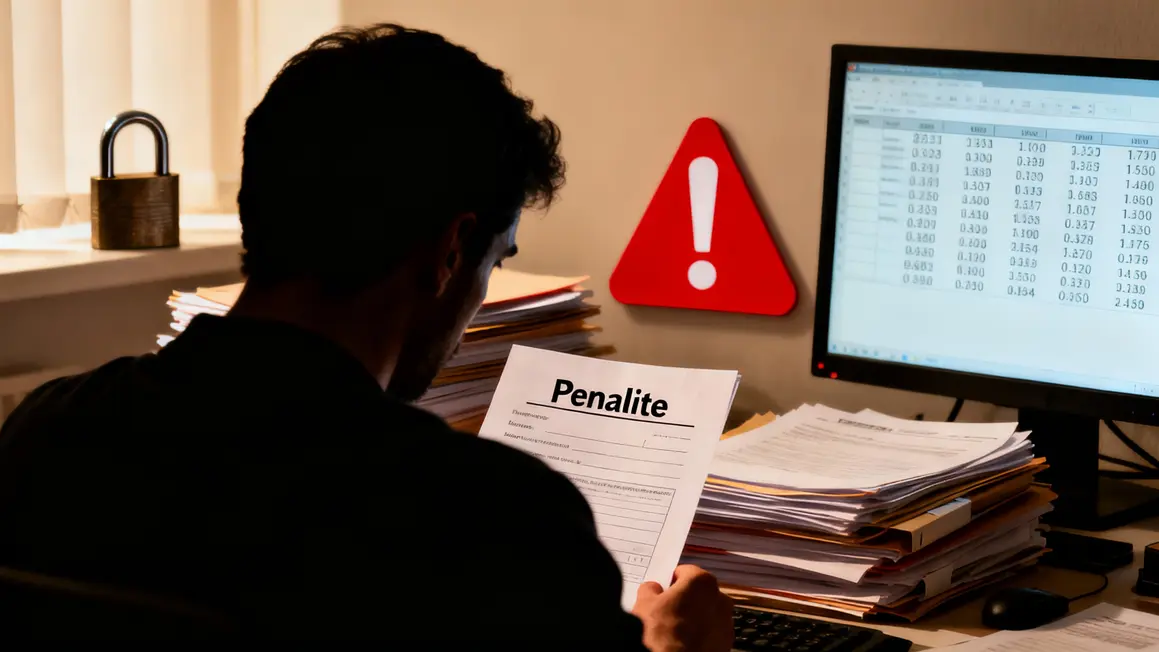
Creating an opposition without legitimate reason is subject to heavy penalties (finish, fee, registration in the FNCI, or even criminal liability). Improper opposition also affects the banking relationship: withdrawal of services, unfavourable rating, complication of your future operations.
- Financial penalties (up to several thousand euro)
- Legal and judicial liability
- Degraded awareness among banks
In the event of a dispute, the judge may lift the objection and demand full payment to the beneficiary, plus legal costs.
What to do in case of physical recovery of the bank cheque
If you get an unused bank check: return it to your bank (in an agency or registered mail), sign it on the back and enter "ANNUATED" on the front. Prepare your ID and provide any form you request. Issuance and cancellation fees remain at the bank, with no possibility of reimbursement.
What are the costs of opposition?
After opposition, charges are applied by the bank, usually between 15 to 30 euros according to the nature of the establishment and contract. These costs cover the registration of the procedure and the dissemination of the alert to the Bank of France.
Before initiating a cancellation procedure, it is useful to know From what amount the bank checks cheques: rules and advice, to assess the risks and precautions to be taken.
| Bank | Opposition costs | Conditions for reimbursement |
|---|---|---|
| Traditional bank | 23€ (average) | Non-refundable |
| Banque en ligne | 15–20€ | Non-refundable |
| Premium banks | 25–30€ | Non-refundable |
Before any opposition, it remains essential to check the rates with his bank, since these charges may change according to the offered price.
Alternatives to bank cheque for secure transactions
Instant SEPA bank transfer is a reliable and traceable solution for high amounts, with controlled revocability until the order is executed. Certified payment platforms or secure agency withdrawal also help to avoid risks associated with insufficient provision or falsification of the bank cheque. Each solution must be compared according to its cost, speed and guarantees before any commitment.
The legal complexity surrounding the cancellation of a cashed bank cheque requires a clear understanding of its rights and duties before taking action. Be accompanied by your bank advisor or consult a professional in case of doubt.
- Have you ever encountered a situation requiring opposition or cancellation of a bank check? Tell your experience or ask your questions directly in comment!
- If this article has been helpful, share it around you to help other people avoid the common traps associated with the bank check.
- What other banking concerns do you want to deepen? Suggestions and testimonials are welcome to enrich the content of the site.
The article is based on the rules of the Monetary and Financial Code and is based on the Bank of France guides, as well as on the usual returns reported by many bank advisers.
Text written by Fabien Durand, editor of personal finance and banking law.