
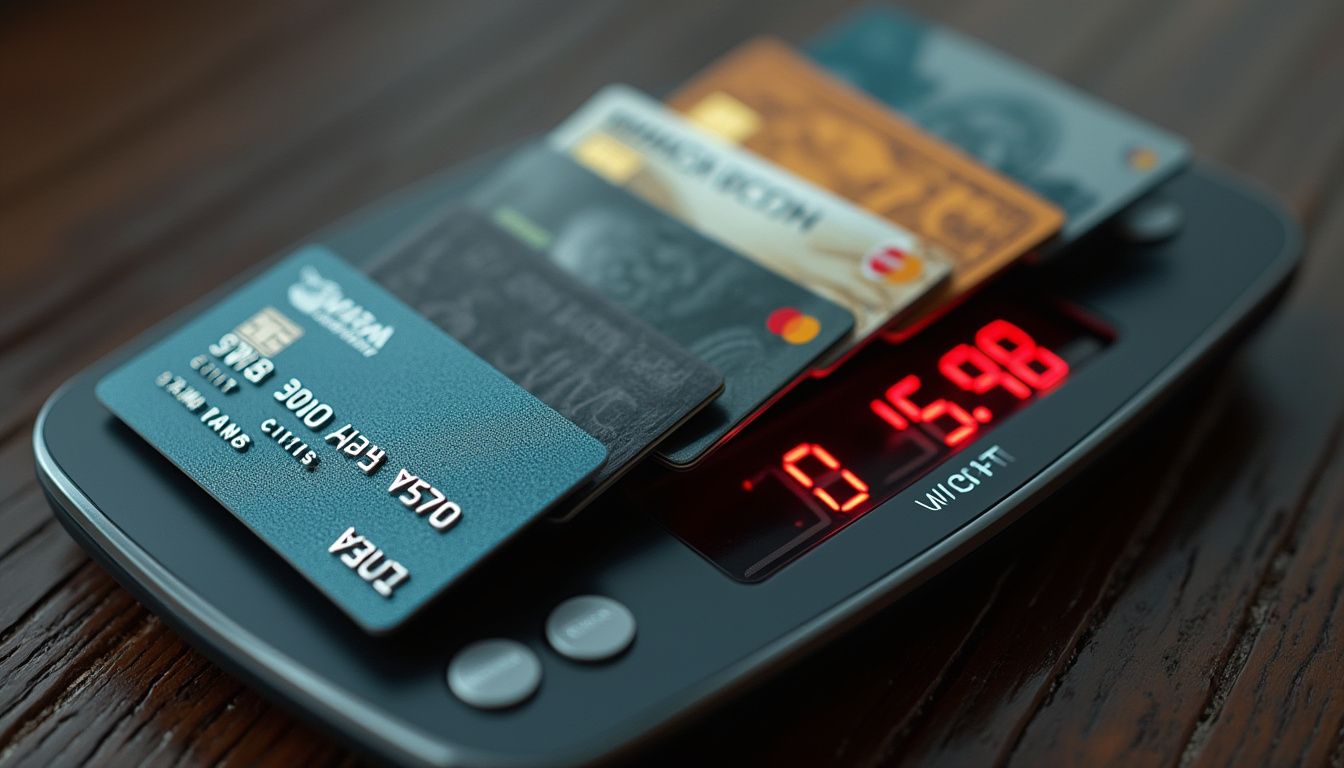

When we talk about **Metal banking cards**It is crucial to understand their **weight** and how it can vary from one model to another. Indeed, maps like the **Revolut Metal**, the **Nickel Metal**or **Boursorama Ultim Metal** have different weights, ranging from 14 to 18 grams. These variations are not merely anecdotal; they often reflect the quality of the materials used and the attention given to details by each card issuer. I will guide you through a **detailed weight comparison** of these maps, explaining how these differences can influence your choice according to your specific needs.
What is a metal credit card?
Metal bank cards are distinguished by their elegant design and robustness. They are not only a matter of aesthetics but also offer specific advantages over traditional plastic cards.
Definition and characteristics
One Metal credit card is a payment card made from metals such as stainless steel, titanium or other alloys. Unlike plastic cards, they are heavier and have a more luxurious appearance.
Here are some key features of metal maps:
- Weight: Metal maps have a weight between 14 and 18 grams. For example, Revolut Metal, Boursorama Ultim Metal and N26 Metal each weigh 18 grams, while Nickel Metal weighs 14 grams.
- Materials: They are usually made from high-quality metals, giving them superior durability and a feeling of robustness.
- Design: Metal cards often have clean and modern designs, making them attractive to aesthetically conscious users.
- Technology: Like plastic cards, they integrate contactless payment technologies and are compatible with mobile payment systems.
Advantages of metal cards
Opting for a metal credit card has several distinct advantages:
- Prestige: They offer an image of luxury and distinction. The metal sensation in the hand gives a product impression high-end.
- Sustainability: Metal cards are more resistant to wear and damage than plastic cards.
- Premium services: Metal card holders often benefit from exclusive services such as travel insurance, personalized assistance and enhanced loyalty programs.
- Innovative Features: They may include free payment and withdrawal options abroad, advantageous exchange rates and advanced financial management tools.
For those looking for a combination of design, durability and premium services, metal bank cards are an interesting option to consider.
Weight of bank cards Metallic
The weight of metal bank cards is an aspect often discussed by users. This criterion can influence the perception of quality and robustness, but also the comfort of everyday use.
Changes in weights
Metal bank cards are not all the same. For example, Revolut Metal, the Boursorama Ultim Metal and N26 Metal Each weighs 18 grams. However, Nickel Metal is lighter with its 14 grams, and the Sogexia Metal is at an intermediate weight of 15 grams.
These weight variations may seem minimal, but they often reflect the materials and designs used by each card provider. These differences can also influence the feeling in hand and the perception of the map.
Factors influencing weight
Several factors can influence the weight of a metal bank card:
- Material: The type of metal used (stainless steel, aluminium, etc.) plays a crucial role.
- Thickness: A thicker map will generally be heavier.
- Design: Adding decorative or functional elements can increase weight.
For example, a card made of stainless steel will be heavier than an aluminium card. Similarly, a map with complex engravings or inserts of additional materials will weigh more.
Comparison of weights
To better understand the differences, here is a comparison of the weights of the main metal bank cards:
| Card template | Weight |
|---|---|
| Revolut Metal | 18 grams |
| Nickel Metal | 14 grams |
| Boursorama Ultim Metal | 18 grams |
| N26 Metal | 18 grams |
| Sogexia Metal | 15 grams |
As we can see, maps such as Revolut Metal, the Boursorama Ultim Metal and N26 Metal share the same weight of 18 grams, while the Nickel Metal is the lightest with 14 grams. The Sogexia Metal between the two with a weight of 15 grams.
These distinctions may seem subtle, but they may influence users' preference according to their personal needs and tastes. Whether it's for a feeling of luxury or a concern for lightness, weight is an element to consider when choosing a metal bank card.
Impact of weight on daily use
The weight of metal bank cards, although often perceived as a sign of robustness and quality, can also have practical implications for their daily use. In this section, we will explore how weight can influence the use of these cards, as well as the security and durability aspects.
Practical use
The weight of a metal bank card can have a direct impact on its everyday comfort of use. Users often notice the difference in weight when they switch from a plastic card to a metal card. Here are some points to consider:
- Sensation in hand : A heavier map, like the Revolut Metal or Boursorama Ultim Metal (18 grams), offers a feeling of strength and superior quality. This feeling can be appreciated by those looking for a premium experience.
- Ease of handling : The higher weight can make handling the card slightly different. For example, inserting a metal card into a payment terminal may require a little more precision due to its weight.
- Portfolio and transportation : Having several metal cards in a wallet can increase its overall weight. For those who prefer to keep their wallet light, this can be a factor to consider.
In summary, although metal cards offer a sense of luxury, their weight may require a small adjustment period for some users. However, many find that the advantage of having a robust and elegant card is largely worth this adjustment.
Security and sustainability
Security and sustainability are two crucial aspects to consider when choosing a metal bank card. The weight and materials used contribute significantly to these characteristics:
Metal bank cards appeal to their premium design, but did you know that their weight can vary according to the models? Find out everything you need to know about metal cards available and banks offering them.
- Hardness : Metal cards, because of their construction, are much more robust than plastic cards. For example, a map like the N26 Metal or Sogexia Metal, made of stainless steel or specific alloys, will better withstand twists and shocks.
- Longevity : Due to their increased durability, metal boards have a longer service life. They do not fold easily and are more resistant to daily wear.
- Data protection : Some metal cards also offer better protection against attempted contact fraud (NFC), as metal can act as a shield against unauthorized scanners.
In terms of security, robust metal cards can also deter attempts at physical fraud, such as card cloning. Moreover, their durability means that you won't have to replace your card as often, which is a significant benefit.
In conclusion, the weight of metal bank cards, although it may require adaptation, brings significant benefits in terms of sensation of use, security and durability. By choosing a metal card, you opt for a product that combines aesthetics and functionality, while offering a high-end user experience.
Conclusion and recommendations
In conclusion, metal bank cards prove to be attractive financial products for those looking for premium payment experience. They are distinguished by their material, design and additional functionality. Let's review the key points and recommendations to help you make the best choice.
Summary of key points
The following is a summary of the main aspects of this article:
- Material and weight : Metal boards are made from metal alloys, giving them distinctive durability and weight, ranging from 14 to 18 grams.
- Premium Features : They often include travel insurance, free withdrawals abroad and concierge services.
- Design : Metallic cards are distinguished by their elegant and minimalist aesthetic, often customizable.
- Advantages and disadvantages : Although they offer prestige and additional functionality, they can be associated with higher costs and limited availability.
Choice of metal card
The choice of the metal card will largely depend on your personal needs and preferences. Here are some tips to help you select the map that suits you:
- Assess your needs : Identify the premium features you use most often, such as travel insurance or free withdrawals abroad.
- Compare costs : Be sure to compare the monthly or annual fees associated with each card. For example, some cards such as Revolut Metal and Boursorama Ultim Metal weigh 18 grams but may have different costs.
- Consider Design Choose a map that you like and reflects your style. Options vary from polished finish to customization.
- Check availability Make sure the bank or fintech offers the metal card you want.
Final opinion
Ultimately, metal bank cards offer a unique combination of durability, aesthetics and premium features. They are particularly suitable for users who value elegance and exclusive services. Whether you choose a card like the Revolut Metal for its weight and features, or a Nickel Metal for a lighter option, it is essential to consider your specific needs and compare the available offers.
If you are ready to step in and adopt a metal bank card, take the time to evaluate each option according to the criteria mentioned. You will be able to choose the map that best fits your lifestyle and financial expectations.
In conclusionMetal banking cards represent a breakthrough in the field of financial products, combining design and functionality to provide an exceptional user experience. Make your choice with confidence and enjoy the benefits these cards can bring you.