


Reducing bank charges or benefiting from intuitive mobile management: changing banks is a real lever to optimize personal finances, especially if you want to avoid bad surprises or take advantage of unconditional offers. Why do so many people jump, and how do they turn this process into a smooth journey? Here you will find a step-by-step guide, from preparing the file to closing the account, with all the precautions and vigilance points needed for a safe transition.
Reasons for changing banks
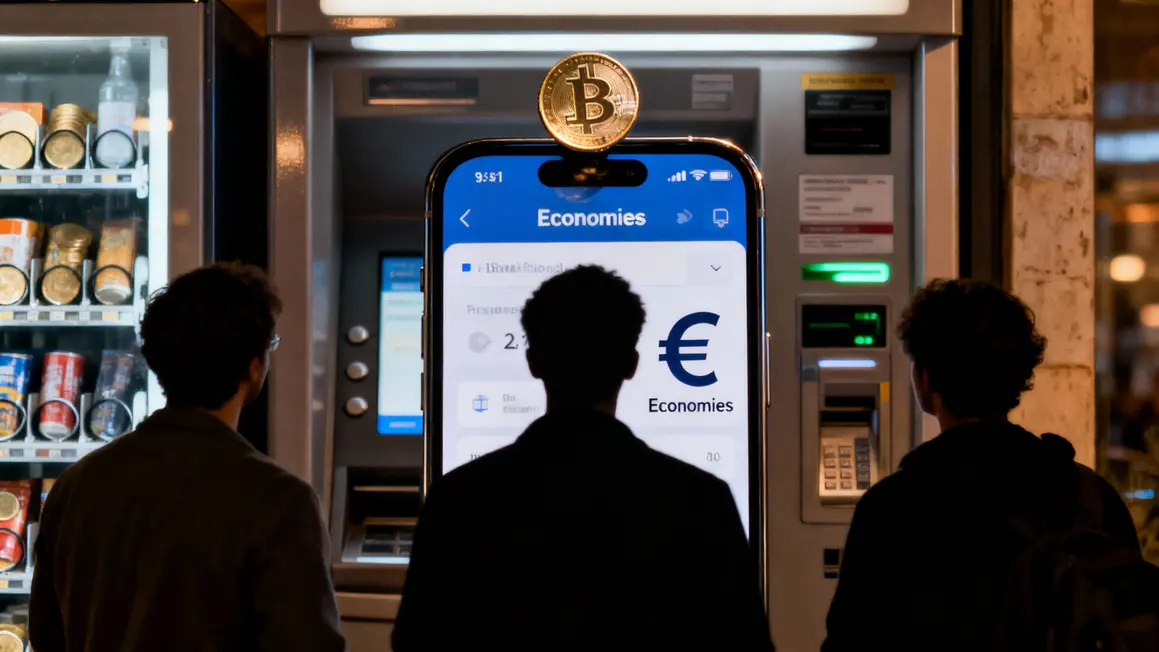
Change banking institution often respond to the will of reduce recurring costs. Online banks and neobanks make it possible to obtain current accounts and free-of-charge cards, unlike most physical networks whose annual rates may exceed EUR 100. This economy guides choice, especially in active or regular travellers profiles.
The quest for modern services also weighs in the balance. Have a efficient mobile application, automatic categorisation or instant notifications convince many users, especially those who want to control their budget on a daily basis. Blocking or unlocking a card remotely or take advantage of free withdrawals outside Europe are among the most sought after specificities.
For some, the change is due to the search for flexible conditions: access without proof of income, removal of compulsory residences or simplified management of several products (current account, credit, savings). New offers such as BforBASIC encourage the inclusion of self-employed and young workers, avoiding the minimum income requirement.
Grouping its finances into a single bank or streamlining its processes can facilitate monitoring and benefit from specific customer benefits. Conversely, it should be noted that some products do not transfer (PEL, CEL) and sometimes justify the partial maintenance of the initial account. Traditional banks retain assets for complex services or agency reception, appreciated by certain profiles.
Points to be checked before leaving the current establishment
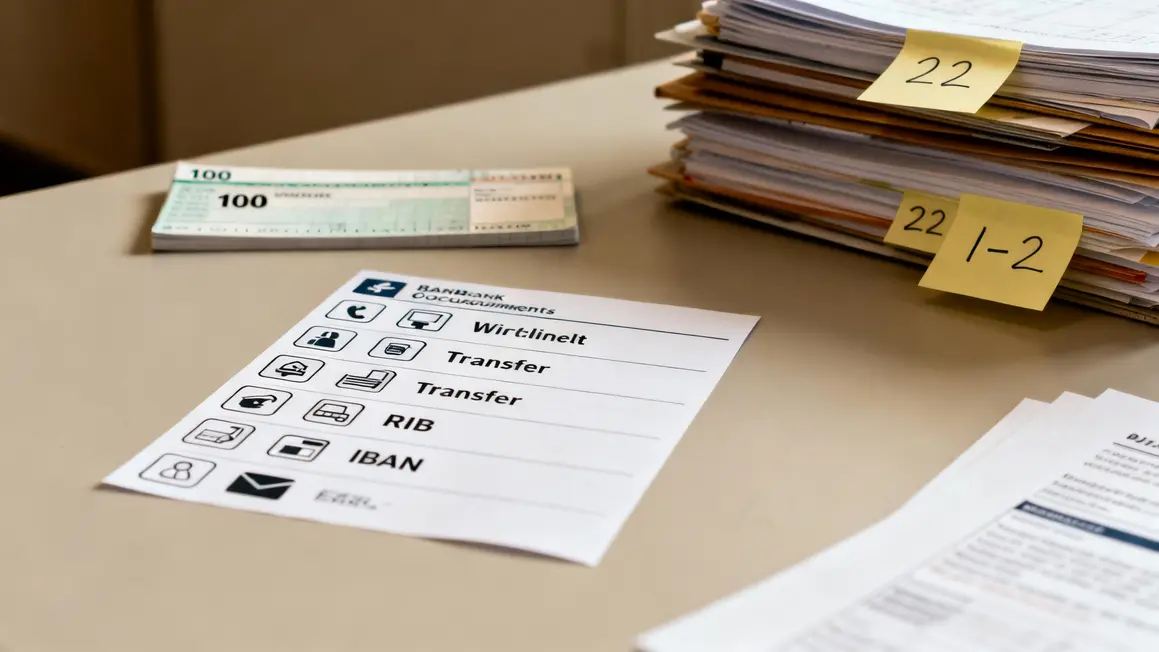
Before any steps, make sure that your main banking products (credit, regulated savings, booklets, securities) are transferable or must remain. Most of the current loans remain linked to the original bank. To secure migration, check compatibility and consider keeping your old account temporarily if necessary.
Think about listing all your SEPA levies and automatic transfers (rent, energy, telecom, taxes, insurance, subscriptions). This step avoids any oversight that may result in payment incidents. A bank mobility service allows you to delegate management, but it is recommended to monitor monitoring by you.
Preserve your old RIB, IBAN and bank statements, which are essential in case of post-closure transactions or disputes. Also archive the history of current cheques and important transactions, and do not close your account until they are fully cashed.
Choosing a new facility tailored to your needs
Define your criteria: global costs, daily facilities, digital mobility, and flexibility on ceilings and types of operations. Traditional banks remain interesting for full monitoring and agency support, but often involve sustained costs. Online banks are recommended for autonomous management at reduced cost, provided they are comfortable with digital tools and minimum operating conditions. New banks target mobile and international use, but offer less extensive services than the other two categories.
Compare fees and banking services
| Type | Annual fee | Services included | Conditions |
|---|---|---|---|
| Conventional bank | 80–150 € | Complete, physical + digital | Income domiciled |
| Banque en ligne | 0–20 € | Free card under conditions | Transparency on activity |
| New bank | 0 € | Virtual cards, reduced fees for abroad | Ceilings/lightened service |
For real optimization, focus on clarity over hidden costs, autonomy over mobile driving and concrete benefits. Test each service over a probationary period before total transfer.
Opening a new bank account: steps and checks
Collect the necessary documents: valid ID, proof of residence, income certificate if applied by the bank, and the amount of the initial deposit (different depending on the type of offer). Physical banks often require a substantial first payment, where online banks are content with the symbolic minimum.
The deadline for receipt of means of payment usually varies between a week and 15 days. Check the appearance of your new account in the application or in the customer area, and contact the support in case of delay or uncertainty on your file.
Test in real-life conditions
Make a test transfer, explore mobile features and solicit customer service in case of doubt. This first contact gives a clear idea of the level of responsiveness, associated costs and the ease of day-to-day management. If restrictions appear too fast or if experience proves disappointing, it is best to reverse forward transfer completely.
Banking mobility service: simplifying the transfer
Thanks to the Macron Act, your new bank supports the transfer of recurring levies and transfers within a guaranteed 22-day period. Once the mandate has been signed, the institution is responsible for informing the organisations concerned (employer, operators, insurance, taxes) and for synchronising your operations.
- Wage: employer
- Energy: electricity, gas, water
- Insurance: housing, health, vehicle
- Taxes, local taxes
- Subscriptions and digital platforms
- Access provider: telecommunications, internet
- Owner: trustee, charges
For certain individual levies or cheques, a stand-alone watch is recommended to supplement the automated work of the mobility service.
Close your old account safely
Formalize the request by registered letter with acknowledgement of receipt, restore the means of payment, and check that the ongoing transactions are well processed before closing. A transition period (one to two months) limits incidents and gives all organizations time to consider your new contact information.
To understand the steps and anticipate each step, discover our detailed guide on how a bank change takes place.
Pay attention to any closing fees, which are still available on some ancillary accounts (coffee, premium service), and provide a minimum reserve time to complete everything.
Common errors to avoid when changing banks
- Forget non-transferable products (PEL, CEL, securities, current credit).
- Neglect closing fees or overestimate free: always ask for the current fee schedule.
- Failure to notify all organizations related to your regular operations.
- Close the old account too quickly, without ensuring total synchronization of flows.
Simple preparation, rigorous control of operations and a final check of your new account settings are usually enough to succeed smoothly.
The flagship banking offers in 2026: what benefits according to your profile?
Compare is essential to adapt your bank to its daily or international use. The table below summarizes most of the offers noticed in 2026, from the neobank segment to the versatile online bank.
| Banking | Annual fee | Conditions of access | Specific advantages |
|---|---|---|---|
| Revolut Standard | 0 € | None | No fee outside EU, intuitive application, cashback |
| BforBank BASIC | 0 € | None | Card accessible without income domicile, simple mobile management |
| Fortuneo Fosfo | 0 € | None | Free payments and withdrawals abroad, adjustable ceiling |
| Boursorama Ultim | 0 € | 500 € Initial deposit | High ceiling, travel guarantees included |
| ING Direct Essential | 0 € | None | Insurance included, free withdrawals outside EU |
For regular use abroad or mobility needs, signs such as Revolut or Fortuneo offer flexible and free management. Those looking for more services or ceilings will find their account at Boursorama, BforBank or ING Direct.
FAQ on bank change
- What time limit for change bank ? 22 working days for the migration of automatic operations with bank mobility mandate (source: Macron law 2017).
- Can we transfer all banking products? No: Regulated booklets and certain savings products are closed, not transferred. Current transactions (SEPA, map) are automatically migrated (source: Banque de France).
- What to do if a cheque is waiting to be cashed? Keep an eye on the handling of uncompensated cheques before closing the account, to avoid any incident costs.
- How to manage an overdraft at the old bank? Regularize the balance before the transfer or integrate the amount into a personal loan if necessary, as proposed by the new sign.
- Domiciliation of income, compulsory? Apart from physical banks, this is no longer a constraint for the majority of online or mobile offers. Beware of the benefits conditioned.
The whole of this structured guide is based on recent developments in the sector, the Bank of France's analyses and the return of users who have migrated their account to optimize their costs and services. Fabien Durand, a 10-year-old editor specializing in banking innovation, brings his watch and expertise on banking migration and offer trends in 2026.
Changing banks is accessible, provided that each step is analysed and the solution is selected that is truly compatible with its daily uses. What are the most important criteria for you when selecting a new bank? Share your priorities and experience in comments. This collective return enriches the community of users who want to optimize their banking choices.
If this guide has helped you prepare your change or limit unnecessary costs, spread it over your networks to support more transparent and accessible banking management. Future developments are creating as many personal challenges as real opportunities to seize: for everyone to anticipate.