
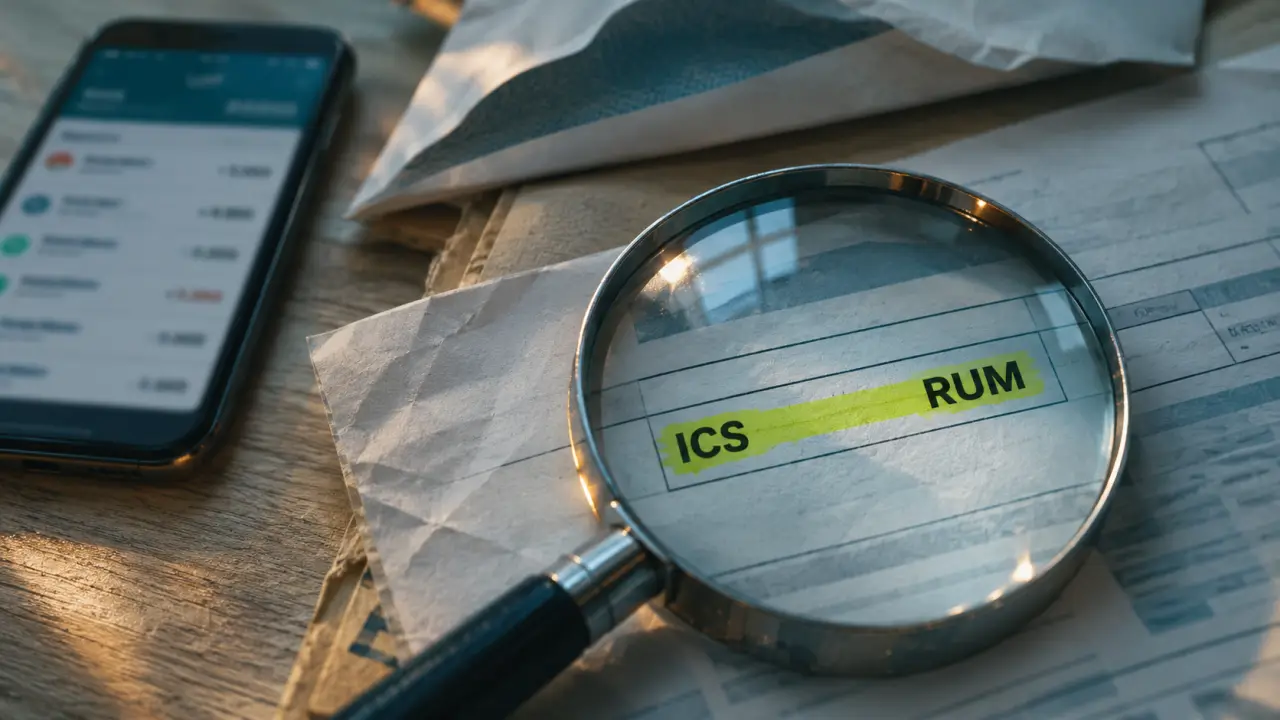

An unknown levy is not necessarily fraudulent: the name displayed may be that of a parent company, a collection body or a forgotten subscription. To trace its origin, open the details of the transaction and collect the creditor, amount, date and SEPA references. If you have never authorized this debit, contact your bank quickly to challenge it and prevent its repetition.
Information to be collected before seeking the body
In your bank application, select the transaction rather than rely on the short line of the statement. The details may contain decisive references. If they are not visible, ask your advisor via secure messaging.
Test your knowledge of bank levies
Answer all six questions and then confirm to discover your score and corrections.
Verify that it is a sampling
A bank levy is a payment initiated by a creditor on the basis of an authorisation called terms of reference. It can be punctual or recurring. A line « CB » Rather, it is a payment by card: even if it comes back each month, its challenge does not necessarily follow the procedure of a SEPA levy. A transfer is normally initiated by the account holder.
Identify the creditor, ICS and mandate reference
Three pieces of information are used to trace the beneficiary and the authorisation used. Keep them with the date and amount, for example in a downloaded statement.
- The name of the creditor: It may differ from the commercial sign you know.
- SEPA Creditor Identifier, or ICS: it identifies the body issuing the sampling.
- The single mandate reference, or RUM: it allows the relevant authorisation to be returned to the creditor.
ICS identifies an issuer, but does not alone prove that you have authorized payment. Similarly, familiar wording is not sufficient to confirm that the amount is justified.
Find the invoice behind an unspeakable wording
Start by comparing the transaction with your invoices and contracts. Look for the exact amount, the name of the creditor or the mandate reference in your emails, then check your customer areas: energy, phone, insurance, credit, gym or digital services.
Also change the scale in your banking history: an isolated line may seem unknown while a series reveals its logic. See if the same creditor appears each month, quarter or same period the previous year. Then compare the mandate references. This reading over time helps distinguish a forgotten annual renewal, a regularization and a new beneficiary that is truly unexplained.
Check name changes and shared expenses
A trade mark may charge under its name or assign cash to a supplier. Bank wording then becomes difficult to recognize. In one attached account, also ask the other holder if he has entered into a contract. Finally, think of the trial periods that have become paid, the insurances associated with a purchase and the annual maturities.
If you find a plausible organization, contact it from the contact details on your contract or in your official customer area. Request the corresponding invoice and, if necessary, a copy of the warrant. An Internet search may give a lead, but an unofficial directory of ICS is not evidence.
The case of public finance levies
A wording referring to the Directorate-General for Public Finance can correspond to several payments. A debit made on the 15th of each month may include a monthly payment contract or a contemporary drawdown at source, for example for certain income without collector.
Check your particular space on the official tax website and compare the schedule to the debit. The date alone does not identify the tax concerned: check also the amount and references. If nothing matches, contact your tax department via secure mail.
Determine whether flow is expected, erroneous or unauthorized
One automatic sampling usually serves to set recurring deadlines from a mandate. A one-time sampling will regulate a single operation. The Interbank Payment Title, or TIP SEPA, allows it to agree to pay a specified invoice.
The issue is to separate two questions: did you allow the creditor to withdraw, and is the amount claimed due? A known contract may result in a billing error; Conversely, a small amount does not make a levy legitimate without authorization.
| Situation | Useful verification | Action required |
|---|---|---|
| Known organization, usual amount | Invoice and schedule | Keep supporting documentation if all is correct |
| Known organism, unusual amount | Regularisation, tariff change or duplication | Ask for an explanation and contest any error |
| Contract terminated, new debit | Effective date of termination and closing invoice | Check if one last sum remains due |
| No contract or mandate recognized | Full references to the bank | Early reporting of potentially unauthorized sampling |
SEPA mandate lapses after 36 months without sample submission. If an organization resumes flows after such a period of inactivity, ask what new authorization it relies on.
Challenge the levy without confusing repayment and termination
If the origin remains unexplained, contact your bank without delay. Forward the date, amount, wording, ICS and RUM if you have them. Indicate whether you are contesting the very existence of the authorization or only an amount from a known body.
Request the refund and block future debits
For an individual, within the usual framework of a SEPA levy, an authorised debit may be the subject of an application for reimbursement in the case of an individual. 8 weeks after flow. Unauthorised sampling shall be reported without delay, at the latest in 13 months after debit. Have your bank confirm the procedure applicable to your transaction, particularly if it falls within a particular framework.
Separately ask for reimbursement of the past transaction and block future presentations. Return the warrant to the creditor if you wish to withdraw your authorization for a long time and then inform your bank. Blocking a levy does not cancel the contract and does not erase a debt actually due. Therefore, make another payment if the invoice is legitimate.
Keep track and monitor the following deadlines
Favour a written request and keep statements, invoices, confirmations of termination and exchanges. You can write: « I do not recognize the levy of [date], an amount of [amount], issued by [creditor]. I dispute that I authorised this transaction and request its repayment and the blocking of future debits concerned. » Adapt this formulation to your actual situation.
Finally, check your next statements and activate useful bank alerts. Never communicate your password or validation code to an interlocutor who claims to reimburse you. For any steps, open your bank application yourself or use your bank's usual contact information.