
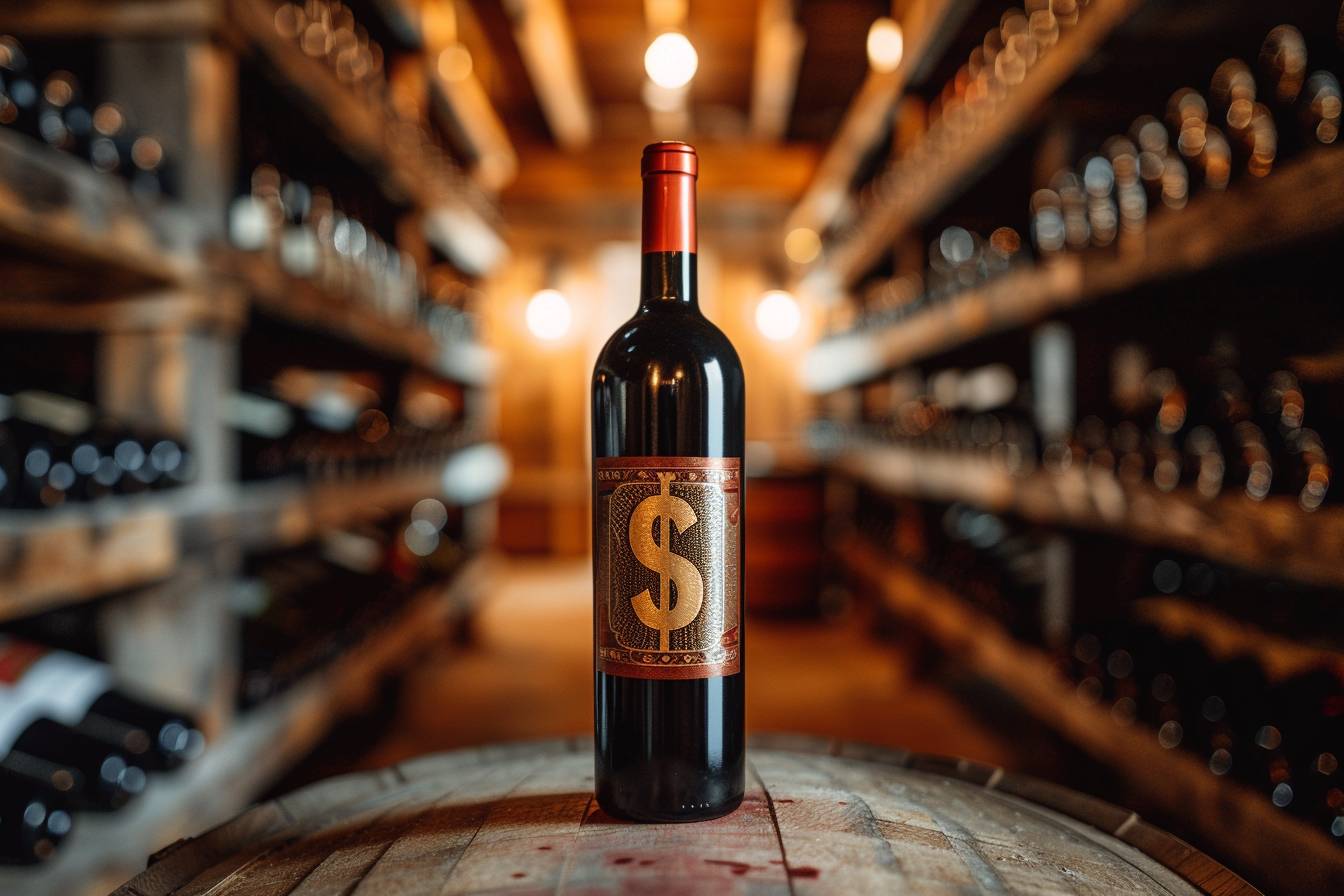

Investing in wine increased interest among investors. As a true wine enthusiast and professional, I want to guide you through the different aspects of this type of wine.investment. In this article we will discuss the reasons for investing in wine, the prospects for added value, the risks, the methods of investing, the wine regions to be preferred and the best practices to maximize your chances of success.
Why invest in wine?
The wine has become a placement attractive for several reasons. First, global demand for wines There has been a steady increase, particularly from emerging countries such as China and India. This sharp rise in consumption, coupled with a limited supply of quality wines, leads to an increase in prices and opens up opportunities for interesting capital gains for investors.
In addition, wine is a tangible asset and less volatile than traditional financial assets such as shares or bonds. It thus offers significant stability in times of economic uncertainty. Finally, some countries, such as France, offer tax advantages for investment in wine, making this type of investment even more attractive.
The outlook for added value for an investment in wine
The prices Major raw over the last two decades, with average annual increases of 4 to 8%. For example, bottle Château Margaux 1982 sold around 500 euros in 2000 and now reached 2,000 euros in 2023, an increase of over 400% over 20 years. Other great wines such as Château Latour or Château Haut-Brion have also had remarkable performances.
However, it is crucial to keep in mind that the wine can be volatile and the prices may fluctuate. It is therefore essential to have a good knowledge beforeinvestment and diversify its portfolio to limit risks. A good knowledge of vintages, fields and market trends is essential to optimize its chances of success.
The risks associated with investment in wine
Investing in wine risks that it is important to know to better anticipate them:
- Risk of capital loss : The prices wine can fluctuate and it is possible to lose money if values fall, especially for speculative wines.
- Liquidity risk : It can be difficult to sell wines quickly and easily, especially at a high price. Patience is often necessary.
- Risk of fraud : The world wine market is not free from counterfeiting or misappropriation. It is therefore crucial to ensure the authenticity of the bottles purchased.
How to invest in wine?
Buy from a future
The purchase of wines as a first step is to acquire cylinders before bottling, while still in barrels. The prices early wines are generally lower than those of wines once bottled. However, this practice carries risks, especially if the vintage proves disappointing. The potential for surplus value is there, but we must be vigilant and choose the fields and vintages.
Investing through specialised platforms
Some platforms offer turnkey solutions for investment in the wine. Experts select wines big crus and store them securely. The investors can then buy shares of holding companies that acquire these cylinders, thus benefiting from the performance of wines without worrying about purchase, storage or resale. This option is particularly interesting for those who want to invest in wine without having to manage logistical aspects.
The French wine regions most famous for investors
Bordeaux
The wines of the Bordeaux, especially the big wines, are very popular with the investors. The castles Like Lafite Rothschild, Latour, Margaux, Haut-Brion and Mouton Rothschild produce wines of exceptional quality, synonymous with stability and constant international demand. Investing in these areas often guarantees long-term security and potential for added value.
Burgundy
The Burgundy is renowned for its complex wines and exceptional terroir. The great wines like Romanée-Conti, Chambertin, Montrachet and Corton-Charlemagne are famous for their finesse and their aging capacity, which makes them attractive to the investors. However, entry prices may be higher compared to other regions, making initial investment more substantial.
Rhône Valley
The Rhône Valley, with appellations such as Côte-Rôtie and Châteauneuf-du-Pape, offers a more affordable alternative to wines Bordeaux and Burgundy while presenting an attractive appreciation potential. The estates of this region are renowned for producing robust and carpented wines, often highly appreciated on the international market.
Good practices for successful wine investments
Understanding and developing knowledge
For investment successful in the wine, it is essential to understand the market, regions, vintages and producers. Looking to an expert can be a wise solution for beginners, but it is also crucial to develop your own knowledge. Reading specialized journals, attending tastings and attending training can be very beneficial.
Investing with a long-term vision
Wine is a type of investment In the long term. We must be prepared to retain the cylinders For several years, even decades, to maximize the value of its portfolio. Patience is a valuable virtue in this area, because the best gains are often realized in the long term.
Store bottles correctly
The storage conditions are crucial to the value of wine. A professional storage solution may be required to ensure optimal conditions (temperature, hygrometry, absence of light and vibration). Poor storage can lead to wine degradation and loss of value.
Do not assume that all wines gain value
It is important not to generalize and think that all wines will automatically take value. Market trends, the reputation of vintages and producers can change. It is therefore essential to choose the right cylinders and not to rely solely on the apparent rarity of a wine.
Do not pay too much for rare bottles
The temptation to overpay for cylinders rare can be strong, but it is crucial to remain rational and not let go of emotion. The prices may be influenced by communication and speculation. Discretion and analysis is essential to avoid bad surprises.
Investing in wine is an interesting opportunity that combines passion and potential for added value. However, like any investment, there are risks that it is important to control. By developing its knowledge, diversifying its portfolio and following good practices, it is possible to make its placement while enjoying the unique pleasure offered by the world of large wine.
Through this article, I hope to have given you the keys to approach theinvestment in the wine in an enlightened and thoughtful manner. Whether you are a passionate amateur or a investor wine can be a fascinating and fruitful avenue to explore.
FAQ
# FAQ on investing in wine
Why invest in wine?
Investing in wine is increasingly popular for several reasons. World demand for wine is constantly increasing, particularly in emerging countries such as China and India. At the same time, the offer of French wines remains stable, creating opportunities for added value for the investors. In addition, wine is a tangible asset, less volatile than traditional shares or obligations. Some countries, such as France, also offer tax advantages for investment in wine.
What are the risks associated with investing in wine?
Investing in wine carries certain risks. There is a risk of capital loss as wine prices may fluctuate. The risk of liquidity is also present, as it can be difficult to sell wines quickly and at a good price. Finally, there is a risk of fraud in a global market where counterfeiting and misappropriation can occur.
How to invest in wine?
There are several ways to invest in wine. You can buy wines first, i.e. before bottling, often at lower prices. You can also go through specialized platforms that offer turnkey solutions, where experts select and store wines for you. Finally, investing directly in bottles of great wines from wine shops or auctions is another option.
Which French wine regions are the most famous for investment?
Three French wine regions are particularly renowned for their investments: Bordeaux, Burgundy and the Rhône Valley. Bordeaux is famous for its great wines such as Lafite Rothschild and Margaux. Burgundy is known for its complex and fine wines like the Romanée-Conti. The Rhône Valley, with appellations like Côte-Rôtie and Châteauneuf-du-Pape, offers more affordable but equally promising options in terms of added value.
What are the best practices for successful wine investments?
To succeed in wine investment, it is essential to understand the market well and to extend its knowledge of regions, vintages and producers. Adopting a long-term vision is crucial, as the preservation of bottles for several years is often necessary. The wine must be stored under optimal conditions to preserve its value. It is also important not to assume that all wines are gaining value and not to overpay for rare bottles influenced by speculation.