
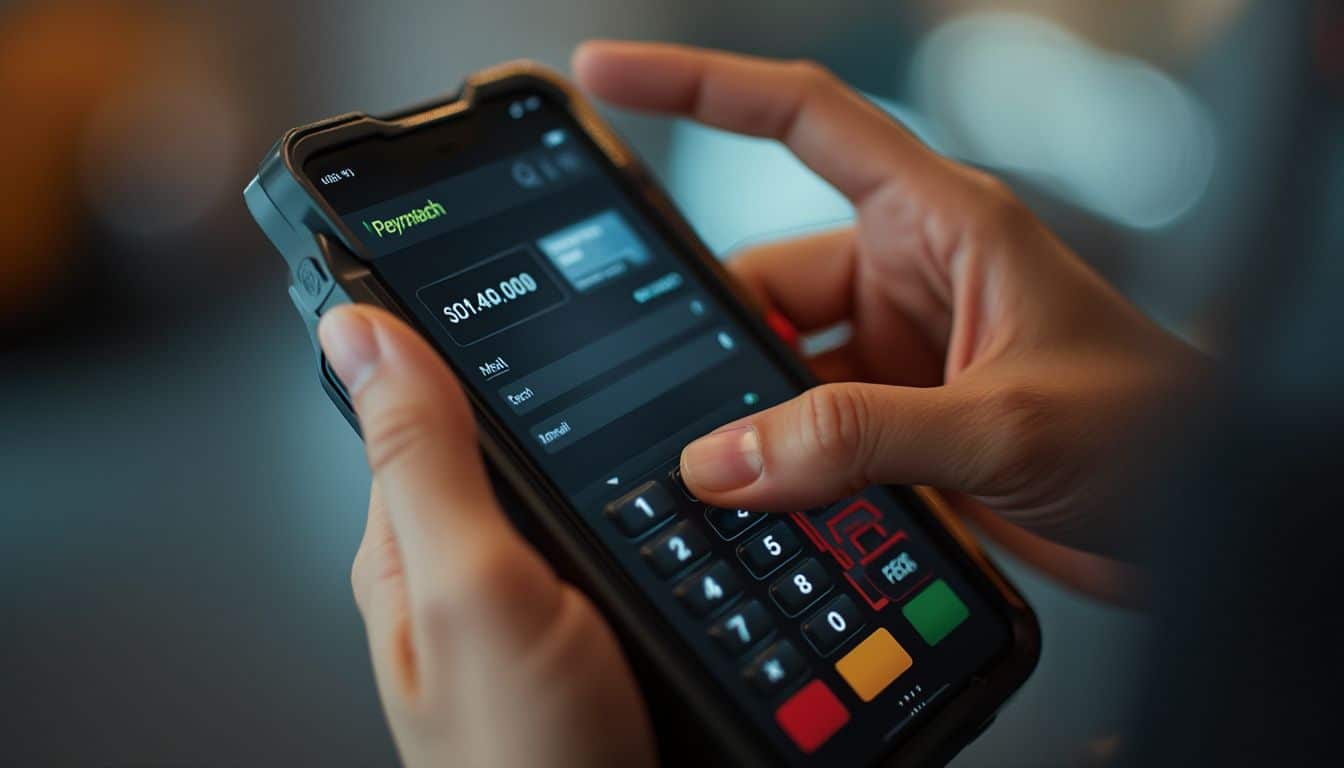

The Virtual payment terminals are revolutionary tools that enable companies to process transactions without the need for physical equipment. By manually entering customer banking data via a web interface or by telephone, contractors can validate payments in a flexible and secure manner. These terminals offer great adaptability, transforming any device into a complete payment device, while facilitating the management of transactions and refunds. With rapid growth in the global market, virtual payment terminals become essential for modern businesses.
What is a virtual payment terminal?
In an increasingly digitalised world, virtual payment terminals have become an essential tool for entrepreneurs and professionals. These devices allow payments to be processed flexibly and securely, without requiring the physical presence of the customer.
Definition
One Virtual payment terminal is an online payment solution that allows traders to manually enter customer banking information to validate transactions. Unlike physical payment terminals, virtual terminals do not require specific hardware because they operate via a web interface.
In practice, this means that you can transform any device connected to the Internet (computer, smartphone, tablet) into a payment terminal to process transactions. This is particularly useful for companies operating in environments where customers are not physically present, such as telephone sales or online bookings.
Use
Virtual payment terminals offer a great flexibility use. Some concrete examples of their implementation include:
- Transactions By Phone : Ideal for hotel reservations or remote consultations, the terminal allows you to enter payment information provided by the customer over the phone.
- Web interface : Used in the context of e-commerce, the virtual terminal validates transactions directly on the trader's website.
- Liberal professions : Professionals such as lawyers or consultants can use virtual terminals to bill their customers remotely.
In addition to their flexibility, virtual payment terminals enable efficient transaction management. They offer features such as issuing refunds, consulting transaction history and the ability to process payments anywhere and at any time.
How does the virtual payment terminal work?
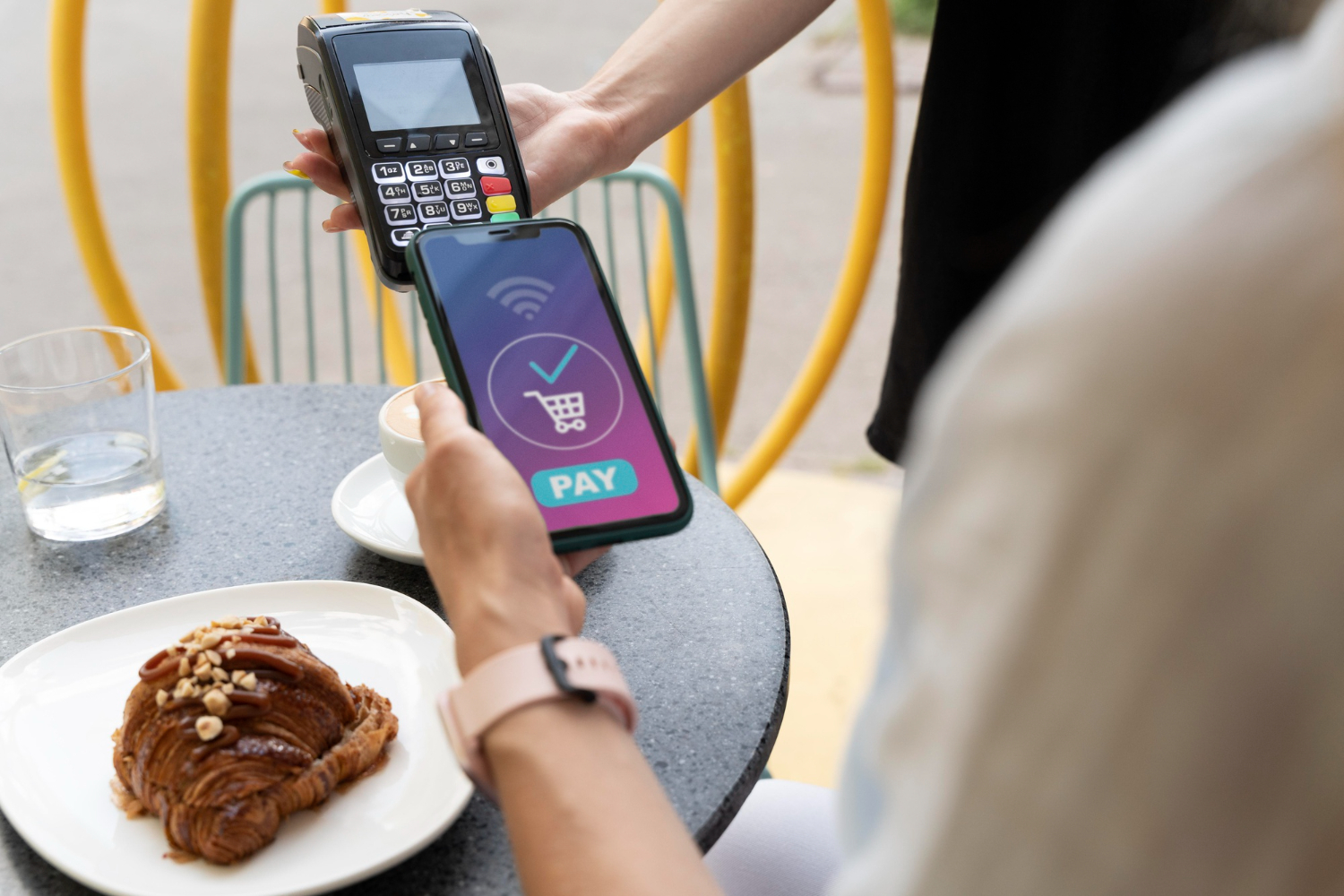
The virtual payment terminal is an innovative solution that can handle transactions without the need for a physical terminal. It provides greater flexibility for entrepreneurs and traders, allowing them to manually enter their customers' banking data and validate transactions in an efficient and secure manner.
Data entry
With a virtual payment terminal, bank data is entered manually via a web interface.
For example, in a telephone transaction, you can ask the customer to provide you with bank information such as the card number, expiry date and security code. You then enter this data into the interface of your virtual terminal to process the payment.
This method is particularly useful for hotel bookings, health services and other professions.
Examples of use
Virtual payment terminals are versatile and can be used in various situations:
- Telephone transactions: Ideal for companies that take orders or reservations by phone.
- Online sales: E-commerce stores can integrate a virtual terminal to process their customers' payments.
- On-site services: Professionals such as physicians and consultants can use a virtual terminal to receive payments directly after providing a service.
By using a virtual payment terminal, you can turn any device connected to the Internet into a full payment terminal. Whether it is a computer, tablet or smartphone, you can process payments at any time and anywhere.
Recurring payments
Another major advantage of virtual payment terminals is the management of recurring payments.
If you offer subscriptions or services that require regular payments, you can configure automatic debits. This makes it easier to manage payments and ensure a better regularity in your income.
In addition, you can easily issue refunds and view transaction history through the interface of your virtual terminal, making it easy to track and manage your financial transactions.
Benefits and Security of Virtual Bank Cards
Virtual banking cards offer a multitude of benefits while ensuring greater security for your online transactions. We will explore these aspects in detail in this section.
Benefits
Virtual banking cards are designed to offer many practical and safe benefits. Some of the main assets include:
- Protection of personal data : Using a virtual card, your real banking information is never shared with traders, thus reducing the risk of fraud.
- Flexibility : You can generate a new virtual card for each transaction, which limits the potential impact of any compromise.
- Expenditure control : Virtual maps can be set up with specific spending limits, allowing better monitoring of your budget.
- Cancellation facility : In case of a problem, it is often easier and faster to cancel a virtual card than to object to a physical card.
- Single use : Some services offer single-use virtual cards, perfect for one-time purchases or less secure sites.
These benefits make virtual bank cards an attractive option for those who wish to enhance the security of their online transactions while enjoying great flexibility.
To enhance the security of transactions with virtual payment terminals, opt for a Credit Mutuel virtual card: secure your online shopping easily.
To complete the use of virtual payment terminals, discover how to create a payment link in a few simple steps and offer even more flexibility to your customers.
Security measures
Security is a crucial aspect of virtual bank cards. Some of the measures put in place to protect users include:
- Data encryption : The virtual card information is encrypted, ensuring that your data remains protected during transactions.
- Enhanced authentication : Many virtual cards require two factor (2FA) authentication, adding an additional layer of security.
- Rapid expiration : Virtual cards often have very short expiry dates, which reduces the time they can be used fraudulently.
- Transaction monitoring : Virtual card providers actively monitor transactions to detect suspicious activity and prevent fraud.
- Possibility of immediate deactivation : In case of suspicion of fraud, users can immediately disable the relevant virtual card via their application or online account.
These security measures are designed to provide maximum protection to virtual card users, making online transactions safer and more reliable.
Alternatives to virtual terminals
In a changing world, flexible payment solutions adapted to different contexts are crucial. Virtual terminals are not the only options available to entrepreneurs and businesses. Let's explore some practical alternatives together.
Payment Link
The payment link is an increasingly popular solution for remote transactions. It allows to send a payment link directly to the customer by email, SMS, or instant messaging. The customer clicks on the link and is redirected to a secure page where he can enter his payment information.
- Ease of use : No need for specific hardware, just a device connected to the internet.
- Security : Transactions are secured through data encryption.
- Flexibility Ideal for online transactions, telephone sales or delivery payments.
Payment links are particularly useful for small businesses or freelancers who want to offer their customers a simple and efficient payment method.
Innovative solutions
In addition to payment links, other innovative solutions have emerged to facilitate transactions. These include mobile payment applications and electronic wallets.
- Mobile payment applications : Applications such as PayPal, Square or Stripe can manage payments directly from a smartphone or tablet.
- Electronic wallets : Solutions like Google Wallet or Apple Pay offer a secure and fast alternative for online or in-store transactions.
These solutions provide great flexibility and are often integrated into e-commerce platforms, thus facilitating the payment process for customers and traders.
Comparison of benefits
To help you choose the best payment solution, here is a comparison of the benefits of virtual terminals, payment links and innovative solutions:
| Reliability | Virtual terminals | Payment links | Innovative solutions |
|---|---|---|---|
| Ease of use | ★★★☆☆ | ★★★★★ | ★★★★☆ |
| Security | ★★★★☆ | ★★★★★ | ★★★★★ |
| Flexibility | ★★★☆☆ | ★★★★★ | ★★★★★ |
| Cost | ★★★☆☆ | ★★★★☆ | ★★★☆☆ |
In conclusion, each solution has specific advantages depending on the needs of your business. Virtual terminals are perfect for companies in need of flexibility in transaction management, while payment links and innovative solutions offer great ease of use and enhanced security.