
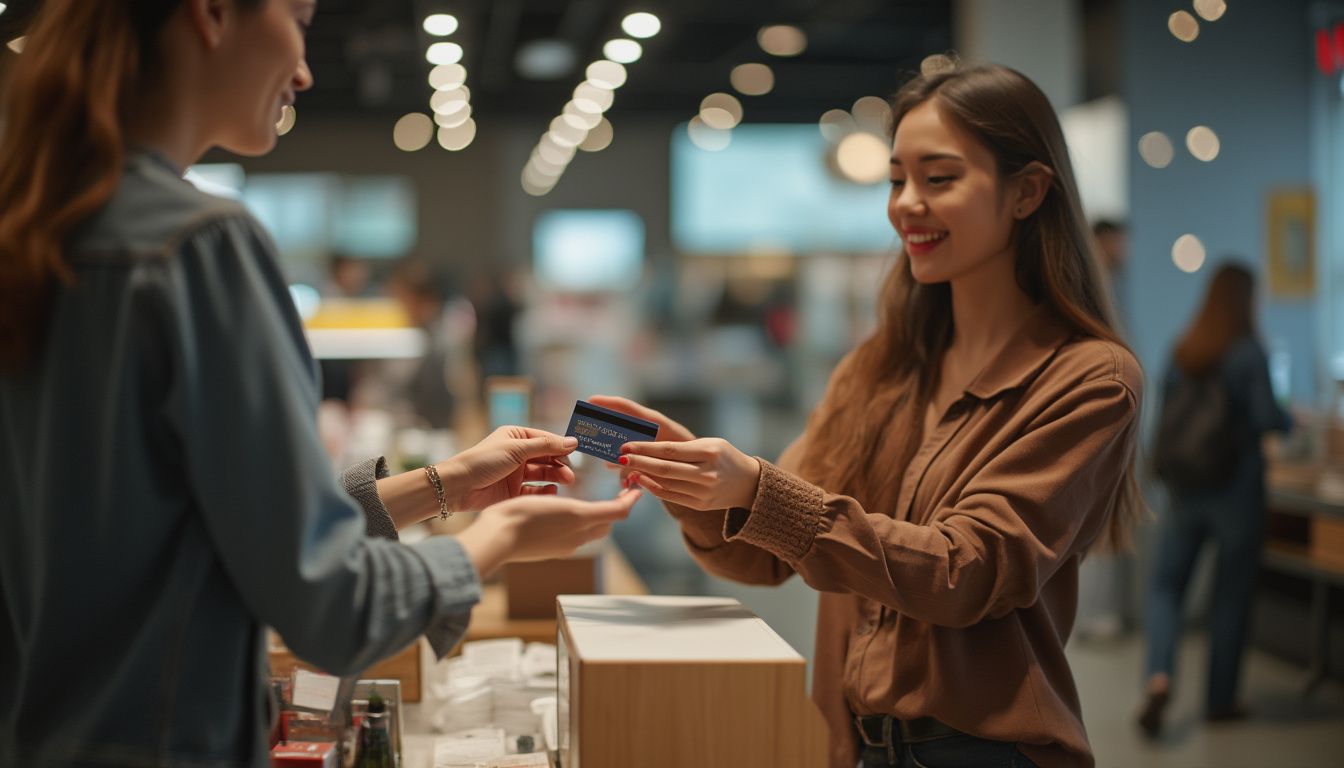

Understanding the role of the cardholder is essential to ensure the security of your finances. As a holder, you are responsible for the **security of your payment information** and must take all necessary measures to protect your personal security features. This includes managing your **credit card** related to your account, monitoring of **transactions** and vigilance in the **Unauthorised payments**. Informing your bank quickly if your card is lost or stolen is crucial to avoid disastrous financial consequences. By controlling these aspects, you ensure a secure and efficient use of your credit card.
Understanding the role of the cardholder
The holder of a credit card plays a central role in the management and security of its financial transactions. Understanding this role is crucial for the optimal and secure use of your credit card.
What is a credit card holder?
The cardholder is the person to whom the card is assigned. In other words, it is the person whose name appears on the card and who is authorized to use it to conduct transactions. This means that the holder is responsible for all transactions with this card, whether authorized or not.
More specifically, the holder is responsible for the security of his payment information. It must take all necessary measures to secure its customized security features, such as the PIN code and the security code on the back of the card. In the event of loss, theft or unauthorized use, the holder shall immediately inform his payment service provider.
Types of cardholders
There are different types of cardholders, each with specific characteristics:
- Principal holder: It is the person to whom the card is originally issued. It is responsible for all transactions and managing the associated account.
- Co-owner: A card can be issued to a co-owner, usually a family member or partner, who shares responsibility for the use and management of the card.
- Authorized user: In some cases, the principal holder may authorize other persons to use his card. These authorized users can make transactions, but they are not responsible for payments. Responsibility rests with the principal holder.
Each type of holder has specific rights and responsibilities, and it is important to understand these distinctions in order to avoid confusion or potential problems.
Safety rules for holders
As a bank card holder, it is essential to follow certain security rules to protect your payment information and avoid fraud. Here are some practical tips to apply on a daily basis.
Do not communicate security code
Your credit card security code, often called CVV (Card Verification Value), is a crucial element for authentication of your online transactions. This code is usually on the back of the card and must never be communicated to third parties.
To ensure the security of your security code:
- Do not share it by phone, email or on unsecured websites.
- Do not write anywhere where it could be easily accessible.
- Use secure and recognized payment platforms for your online transactions.
Check site security
Before entering your payment information on a website, make sure it is secure. Here are some indications to check the safety of a site:
- Look for the icon of a padlock in the browser address bar.
- Make sure the URL starts with https:// (the « s » means secure).
- Read user reviews and reviews to ensure the reliability of the site.
- Check the presence of clear and detailed legal and general terms and conditions of sale.
Communication with the bank
Regular and proactive communication with your bank is essential to ensure the security of your credit card. In case of loss, theft, or suspicion of fraud, immediately inform your bank.
Some good practices for effective communication include:
- Record your bank's emergency phone numbers immediately.
- Report suspicious transactions without delay.
- Use your bank's mobile apps to monitor your transactions in real time.
- Enable security notifications to be informed of transactions in your account.
By following these security rules, you significantly reduce the risk of fraud and protect your finances. Stay vigilant and adopt these best practices for a serene use of your credit card.
Processing of credit card transactions
The processing of credit card transactions is a complex process involving several stages and actors, including the issuing bank, the acquiring bank, and card networks. Understanding this mechanism is essential for bank card users to better manage their transactions and ensure the security of their payments.
Authentication and authorization
Authentication and authorization are crucial steps in processing credit card transactions. Authentication consists of verifying the identity of the cardholder, usually by means of a PIN code or a security code located on the back of the card. This step is essential to prevent fraud and ensure that the person using the card is his or her legitimate owner.
Once the authentication is successful, the authorization intervenes. It involves verification by the issuing bank of the availability of funds on the holder's account. If the funds are sufficient, the transaction is approved and a notification is sent to the merchant. This step is fast and takes place in seconds thanks to sophisticated computer systems.
To better understand your transactions and detect possible anomalies, consult your credit card statement: 6 reasons to consult it to better manage your finances.
To enhance the security of your online transactions, discover all the steps on how to create a virtual credit card.
Commission and payment
Each credit card transaction generates Committees which are shared between the various actors in the payment network. These fees, called interchange fees, are charged by the issuing bank to the acquiring bank for each use of the card. Traders also have to pay processing fees to accept card payments, which may vary depending on the volume and type of transactions.
The actual payment shall be made once the authorisation has been obtained. The amount of the transaction is then debited from the account card holder's bank account and credited to the merchant's account. This process can take place in real time or be postponed, depending on the specific conditions of the agreement between the trader and his bank. The speed and effectiveness of this mechanism is crucial to ensuring a seamless and secure user experience.
- Interchange costs : Commission invoiced by the issuing bank to the acquiring bank.
- Processing costs : Fees paid by merchants to accept card payments.
- Debit/credit : Amount debited from the holder's account and credited to the merchant's account.
Practical advice for licensees
To make the most of your credit card while ensuring the security of your transactions, here are some practical tips. These recommendations will help you effectively manage your account, monitor your statements and secure your online transactions.
Account management
Managing your bank account is essential to avoid any bad surprise. Here are some tips to achieve this:
- Consult regularly your balance and transactions to detect any suspicious activity.
- Set yourself of Expenditure limits to better control your budget.
- Use the online account management tools offered by your bank for real-time tracking.
Monitor bank statements
It is crucial to monitor your bank statements to detect any anomalies quickly. Here is how to proceed:
- Check your statements at least once a month to ensure that all transactions are correct.
- Report any transactions you do not recognize to your bank immediately.
- Keep your receipts and compare them with your statements for more accurate verification.
Secure online transactions
The security of online transactions is a priority for any bank card holder. Here are some methods to protect your payment information:
- Use secure websites (https) for online shopping.
- Never share your card information by email or on unsecured sites.
- Enable notifications by SMS or email to be notified immediately of any transaction.
By following these tips, you will contribute to the security of your finances and the proper management of your bank account. For more details on the security of information and the management of your card, do not hesitate to consult the resources available on the specialized websites.